

Powerless to the Color Blue
It was late September at the Omega Institute, and a few hundred of us had just been asked to leave the friends we'd arrived with and sit among strangers. Then came the first writing prompt of Elizabeth Gilbert's Magical Freedom Weekend: write down six things you feel powerless over. Drag them up from the deepest nooks and crannies, we were told. Kicking and screaming, if necessary.
No one needed the encouragement. Pens took off like it was a timed exam. Pages flipped so hard they nearly tore. If anyone in that room had to stop and think about what makes them feel powerless, I didn't see them.
I'd come because something had been standing between me and my own creativity for a while, and I was ready to find out what it was. The weekend draws on Gilbert's book Big Magic, which makes a simple argument: we don't have to get rid of our fear to live a creative, curious life. We just have to stop letting it drive. Fear can come along for the ride. It can even have a voice in the car. It just doesn't get the wheel, or the radio.
The list we all knew how to write
I've thought a lot since about how fast those pens moved. Had these things never been given permission to be said out loud? Had they been said, and not heard? And what rises in us when we finally face them on paper?
When we finished, we turned to the person beside us and read our lists aloud. We weren't just facing a new face; we were facing our own vulnerability, and how we relate to it. I swear you could hear the whole room draw one breath just before everyone began to share.
It turns out nothing bonds two strangers faster than confessing your deepest fears before you've learned each other's names. My neighbor and I nodded at each other like two hikers who'd been lost in the same woods. Aging parents. Money. Our bodies. The past. Our choices. Other people's choices. The news. Children. Pets. Partners. Being single. Every item landed with understanding, and more often than not, with a quiet me too.
Around us, women were exhaling, laughing and, every so often, sniffling. The room had drawn one breath together. Now it let one go.
A stadium wave of fears
Then one brave woman volunteered to stand at the front of the auditorium, her back to the crowd, and read her list. Our job was to stand whenever she named something we were powerless over, too.
By item three, almost the entire room was on its feet. It looked less like a workshop and more like a very emotional stadium wave. And it was profound: each person choosing, on her own, to rise, and within a few minutes, a few hundred people realizing we were all carrying the same backpack of fears, wounds and insecurities.
Powerless to the color blue
After we sat back down, it got more interesting. Liz pointed out something none of us had noticed. Every single thing we'd written was a loss, a threat or a weight. Not one of us had considered that we might be powerless over things that aren't born from loss, danger or burden at all.
Then she shared her own list. The first item: I am powerless to the color blue. The second: cinnamon. Then a few things more personal to her.
You could feel it ripple through the room, a few hundred people having the same wait, what? moment at once. There was laughter. There were vocalizations from the back row. Sitting with strangers had nudged us outside our comfort zones, but this was the weekend's first real shift in perspective, and it came from a crayon color and a spice.
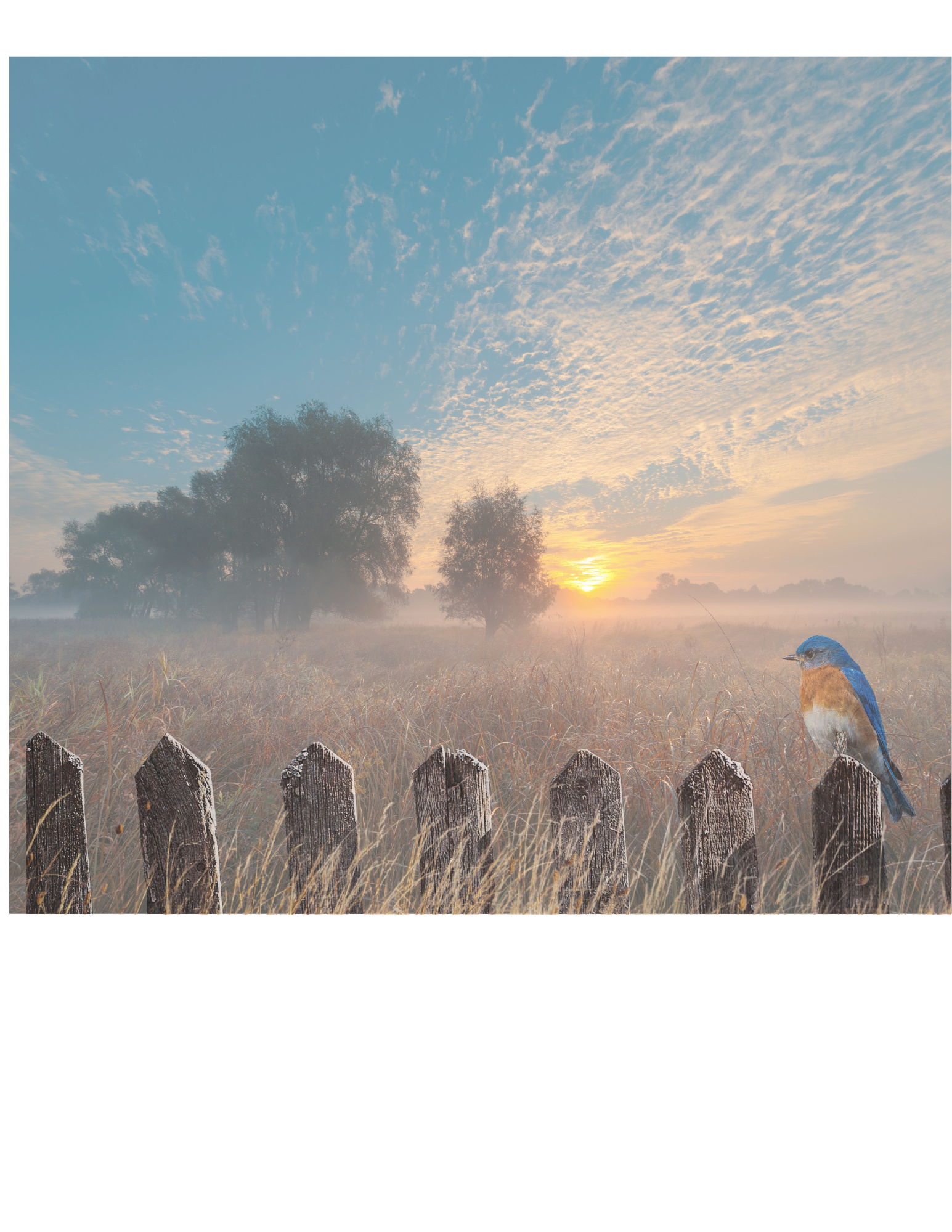
Here's why it matters. We are all powerless to the color blue. What am I going to do about blue? Negotiate with it? It's just out there, being blue, with zero interest in my opinion. I don't have to fix it, manage it, earn it or keep an eye on it. I can just let it be blue, and let myself off the hook while I'm at it. That's freedom, and it costs nothing.
The assignment hadn't changed. Only the direction of our attention had. It's so easy to equate powerlessness with danger. It had never occurred to me that it could also mean wonder. It's a simple shift, and not one we're often encouraged to make.
Why we reach for the hard things first
I've been thinking about why a few hundred thoughtful, accomplished people all wrote the same kind of list. I don't think we were a room full of pessimists. Mostly. I think it's biology.
Our nervous systems are built to scan for what might hurt us. Psychologists call it the negativity bias: the tendency for threats and losses to grab our attention faster, and hold it longer, than good news does. It's an old, loyal instinct, like a devoted guard dog who barks at every leaf, every mail carrier and, occasionally, its own tail. After trauma or long stretches of stress, the barking often gets louder, and the body may start treating anything it can't control as a possible threat.
So when someone asks what we're powerless over, the protective part of us answers first. It lists the dangers, the way it always has. Good dog. Thank you. You can ride in the back seat now. (Fear, as Liz would remind us, doesn't get the wheel.)
But the body also knows a different kind of not-being-in-control: awe, delight, the total heart-melt when a small child reaches for your hand. Therapist and author Deb Dana calls these small moments glimmers: quiet cues of safety that are easy to miss because they don't shout. They aren't threats. They're signals that, for this moment at least, we're okay. And the more often we notice them, the more room the nervous system may have to settle.
I'm not saying ignore what needs your attention. Some things on that first list deserve real care. I'm saying give your nervous system a more balanced view of the world, one that includes the good things you can't help but love.
This is part of why I say healing isn't about controlling everything. It's about widening what we let ourselves feel.
It felt fitting to learn this just after the autumn equinox, when light and dark stand in balance for a day before the year tips toward winter. We're heading into the season of least control: the dark arriving earlier, the cold settling in, the trees letting go whether we're ready or not. It may be the perfect time to practice being powerless over something beautiful.
A small practice: the other list
You'll need a few quiet minutes and something to write with. Phones can stay in the other room. (I believe in you.)
Write the first list. Three things you feel powerless over. Whatever comes first. There's no wrong answer.
Pause. Put a hand on your chest and take one slow breath, letting the exhale be a little longer than the inhale.
Write the other list. Three things you're happily powerless over. A color. A song. A smell from childhood. A person you love an unreasonable amount.
Notice. Read that second list slowly. What does your body do? Your shoulders, your jaw, your breath?
You don't have to cross anything off the first list. Both lists are true. The second one simply reminds your body that not everything outside your control is out to get you.
Carrying it home
I came home from Omega with a notebook full of ideas. This is one that stuck, along with the blue of that late September sky. Which, as established, I can do nothing about.
If you'd like support helping your body feel safe enough to soften, I offer a free 15-minute discovery call. You can book it here.
