

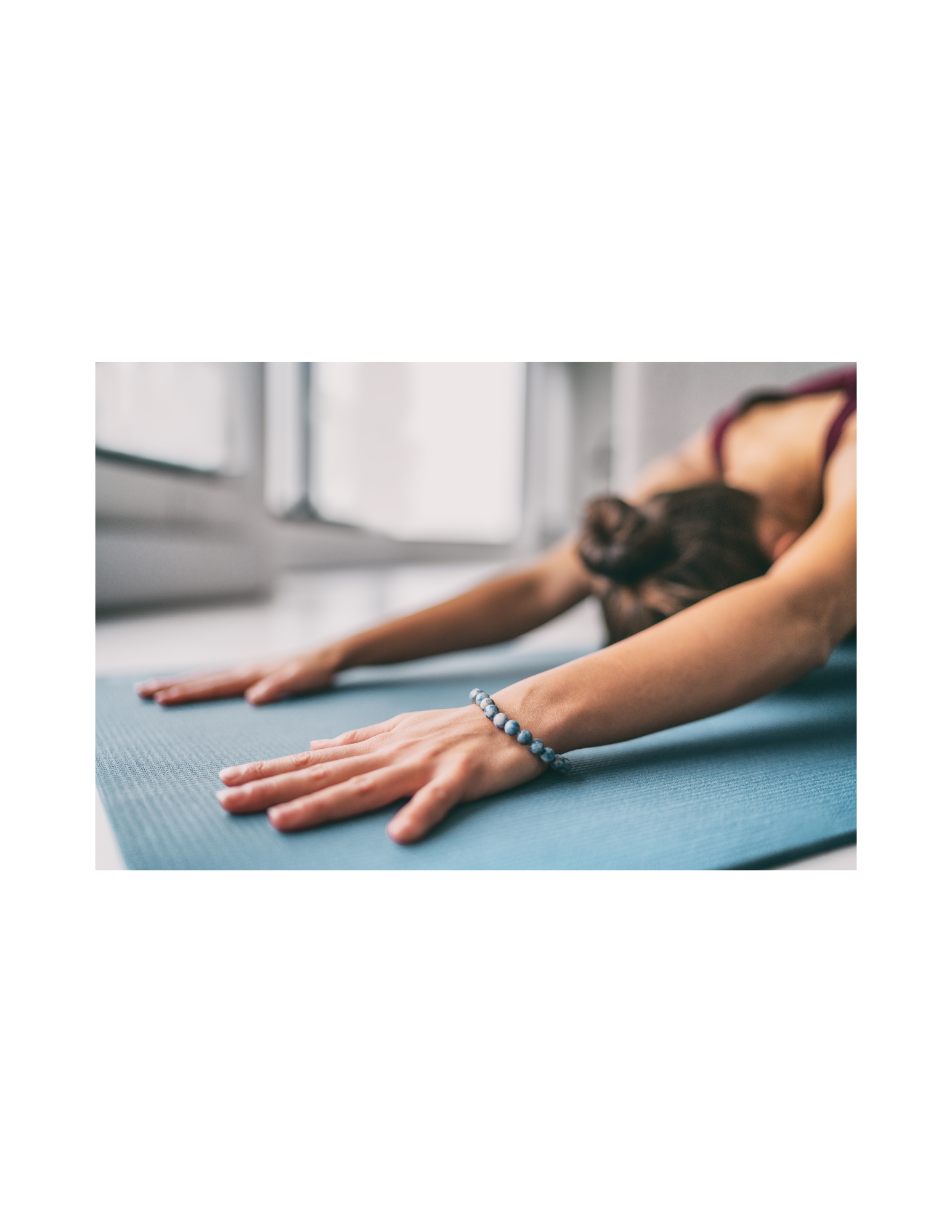
Nervous System Yoga & Movement
A trauma-informed fusion practice that meets your body exactly where it is — gently, intentionally, and at your own pace.
Movement as Medicine — When Your Body Needs a Different Kind of Help
Sometimes the most profound healing doesn't happen on a therapist's couch or in a conversation. Sometimes it happens in the quiet space between a breath and a movement — when the body is finally given permission to release what the mind has been holding.
Nervous system yoga is not about flexibility, fitness, or achieving the perfect pose. It is about creating conditions in which your body feels safe enough to soften, to breathe, and to begin to let go of the patterns of tension, vigilance, and shutdown that chronic stress and trauma leave behind.
This is gentle, intentional work — taught through a trauma-informed lens that prioritizes your comfort, your autonomy, and your pace above everything else. You will never be pushed beyond what feels right for your body, and you are always encouraged to modify, rest, or simply observe.
-
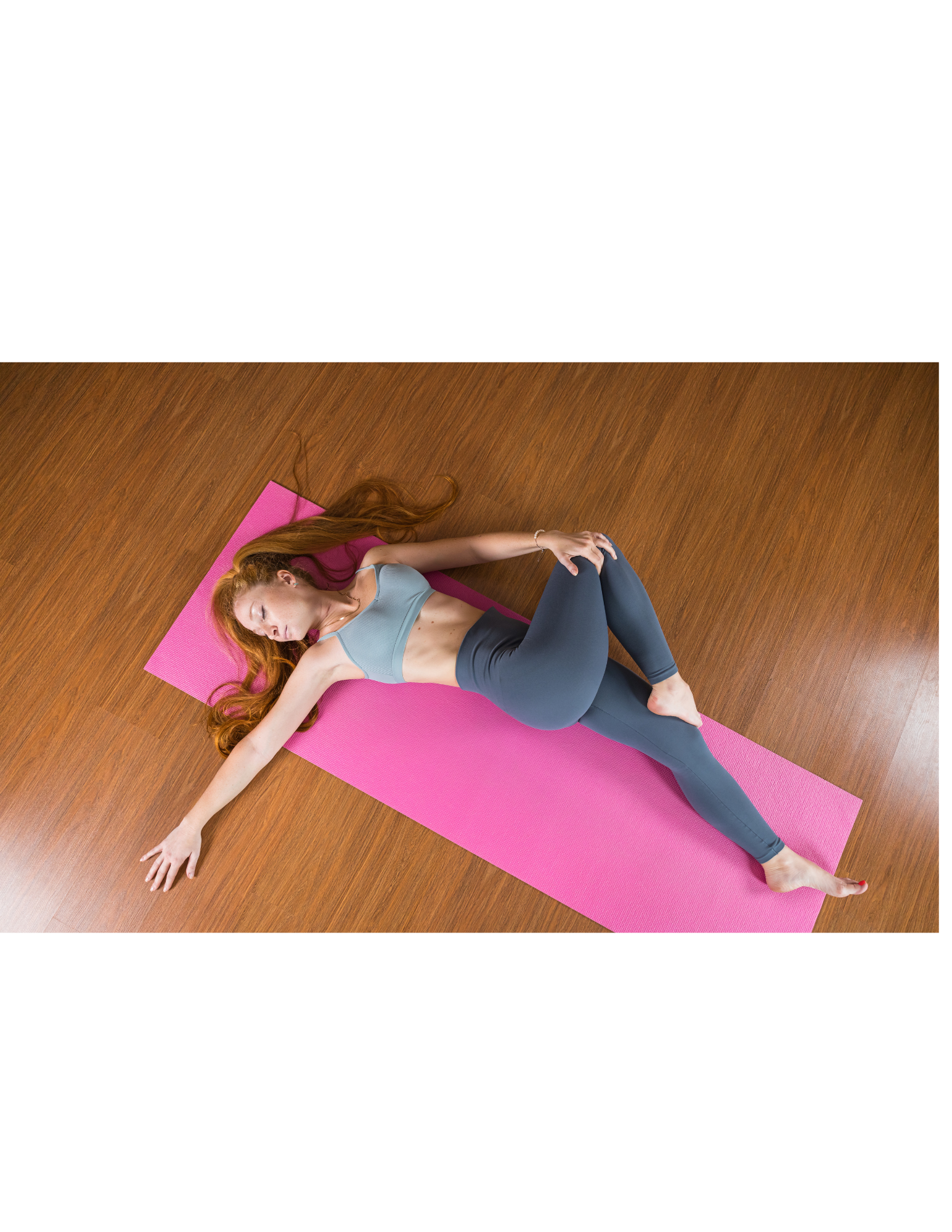
Yin Yoga for Deep Tissue Release and Nervous System Restoration
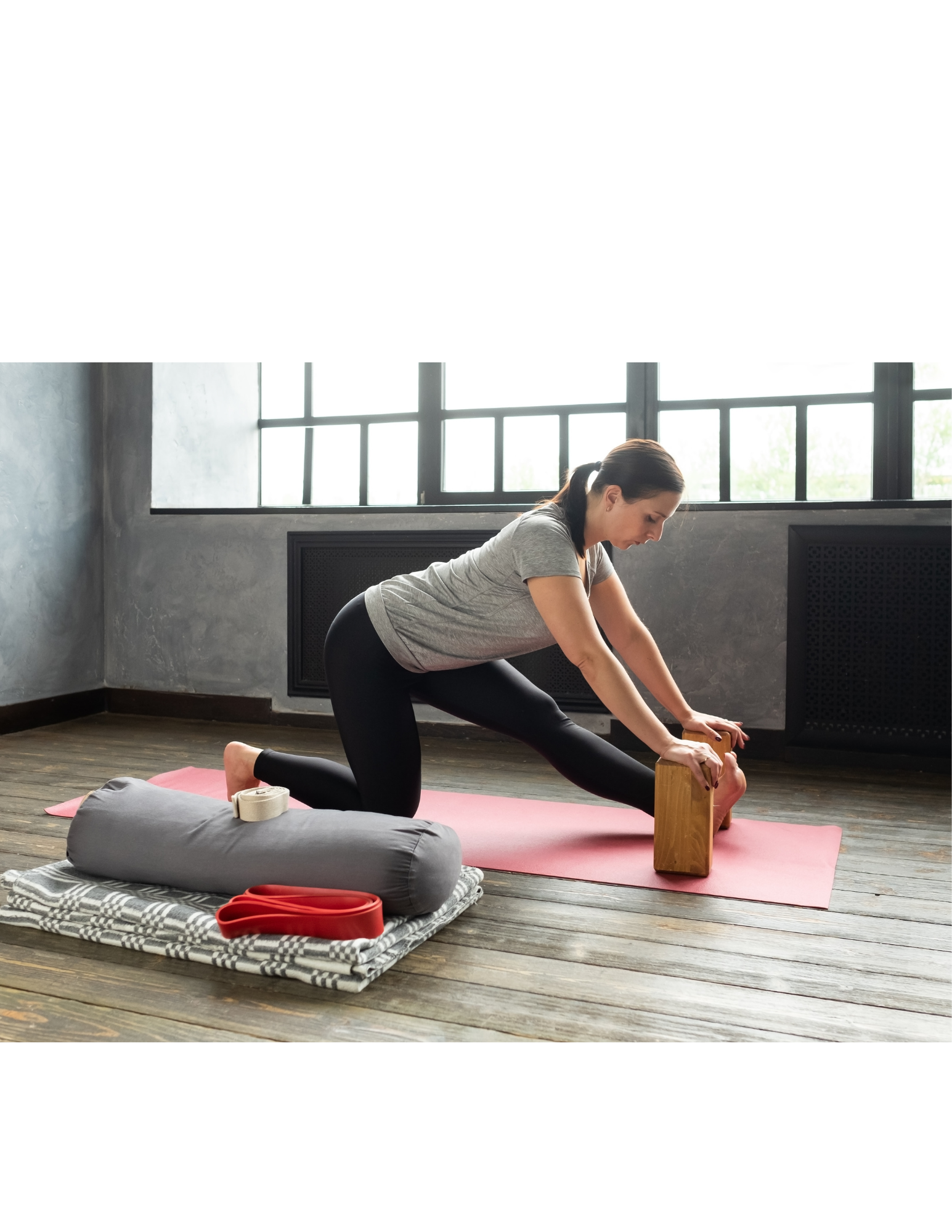
Yin yoga involves holding gentle, supported poses for extended periods allowing the body's connective tissues, fascia, and joints to slowly release deeply held tension. Unlike more active styles, Yin asks you to become still, surrender to gravity rather than engage muscular effort, and gently noticing/ honoring your limits.
For those navigating trauma, chronic stress, or anxiety, Yin yoga for nervous system restoration is particularly powerful. The extended holds activate the parasympathetic nervous system — your body's rest-and-digest state — reducing cortisol levels, slowing the heart rate, and creating a physiological environment in which deep healing becomes possible. Yin also provides a gentle opportunity to practice being present with sensation without reacting to it — a foundational skill in building boundaries and somatic trauma recovery.
-
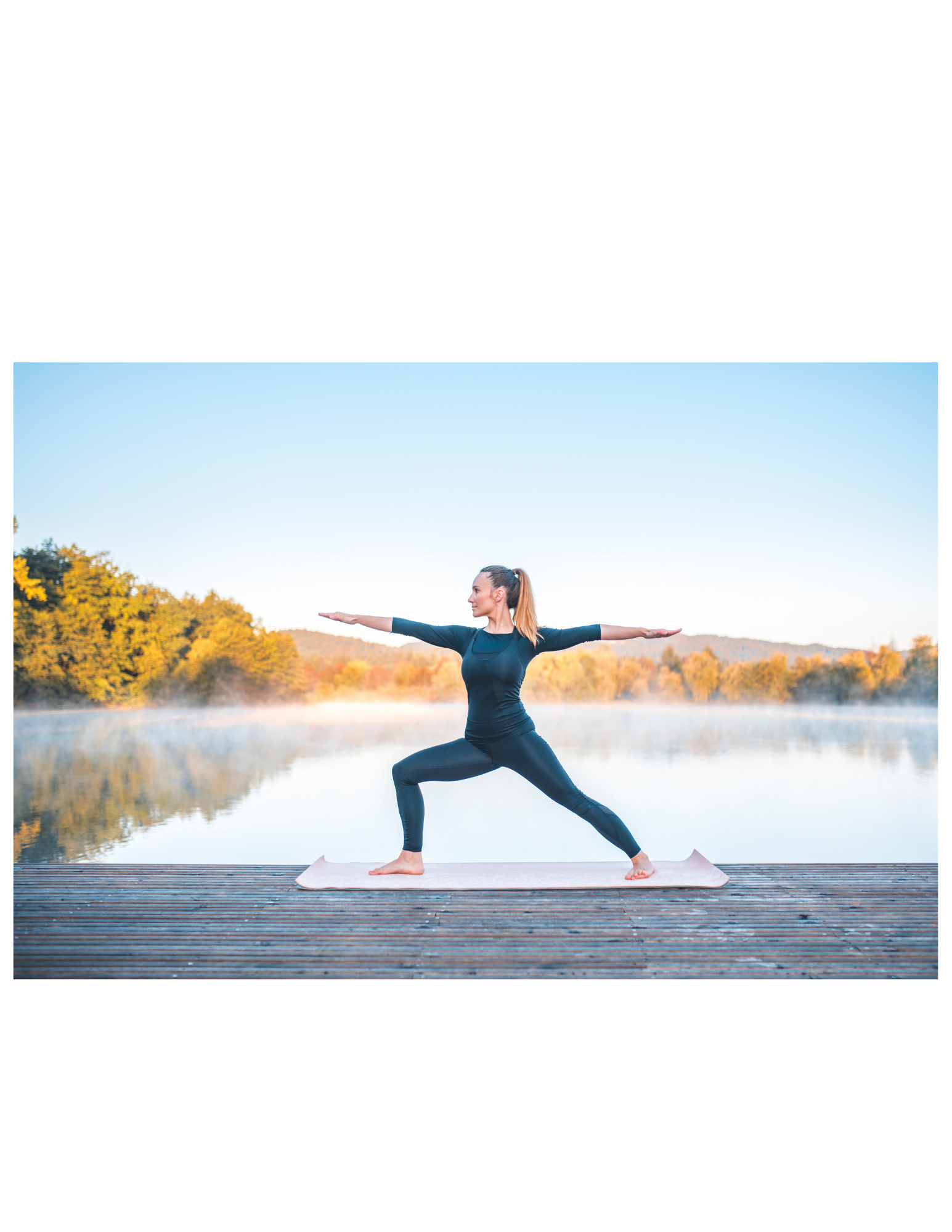
Vinyasa Yoga for Emotional Release and Nervous System Resilience
Vinyasa yoga links breath with movement in a flowing, rhythmic sequence that helps the body discharge stored stress energy and rebuild a felt sense of vitality and capability. The breath-led nature of Vinyasa is particularly significant — conscious, rhythmic breathing directly regulates the autonomic nervous system, shifting the body out of fight-or-flight and into a more balanced, engaged state.
Trauma-informed Vinyasa yoga offers the nervous system a safe experience of challenge and recovery — building the kind of resilience that translates into everyday life. Movement that is intentional, breath-connected, and free from judgment can be profoundly empowering for those who have felt unsafe or out of control in their own bodies. Classes are always offered at a pace and intensity that honors where you are, not where you think you should be.
-
Kundalini Yoga for Energy, Nervous System Activation, and Emotional Processing
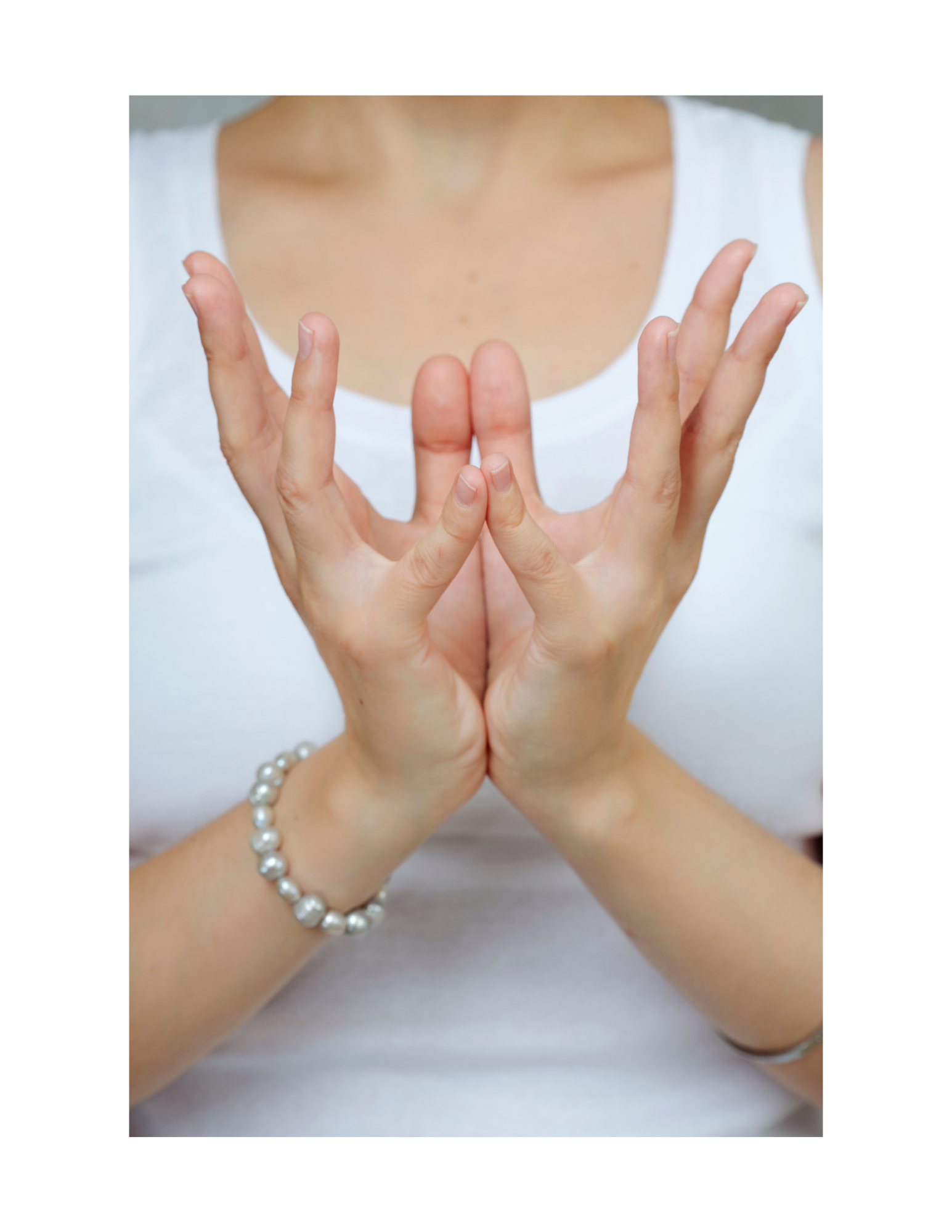
Kundalini yoga is one of the most dynamic and multidimensional of all yoga traditions, combining breathwork, gentle repetitive movement, sound, and meditation to move stagnant energy through the body and support deep emotional processing. It works directly with the nervous system through specific pranayama breathing techniques for anxiety relief, rhythmic movement sequences, and the use of sound and mantra to shift neurological states.
For those carrying the weight of unprocessed emotion, Kundalini yoga for trauma and stress relief can create profound openings — helping to release what has been held in the body and restore a sense of aliveness, clarity, and inner connection. It is offered here always with sensitivity and an awareness that some practices may bring emotions to the surface, which is welcomed as part of the healing process and always held with care.
-
Yoga Nidra for Deep Rest, Nervous System Reset, and Trauma Integration
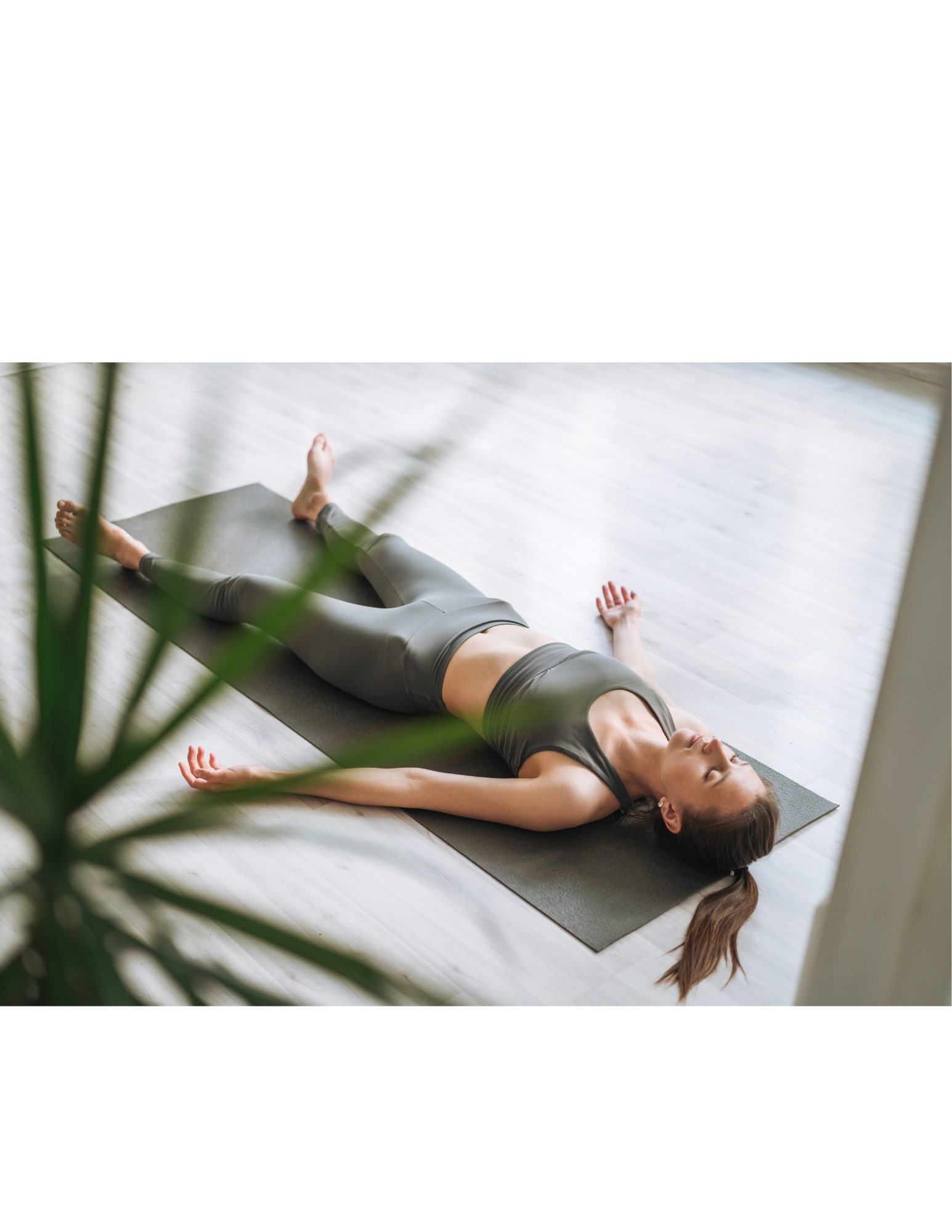
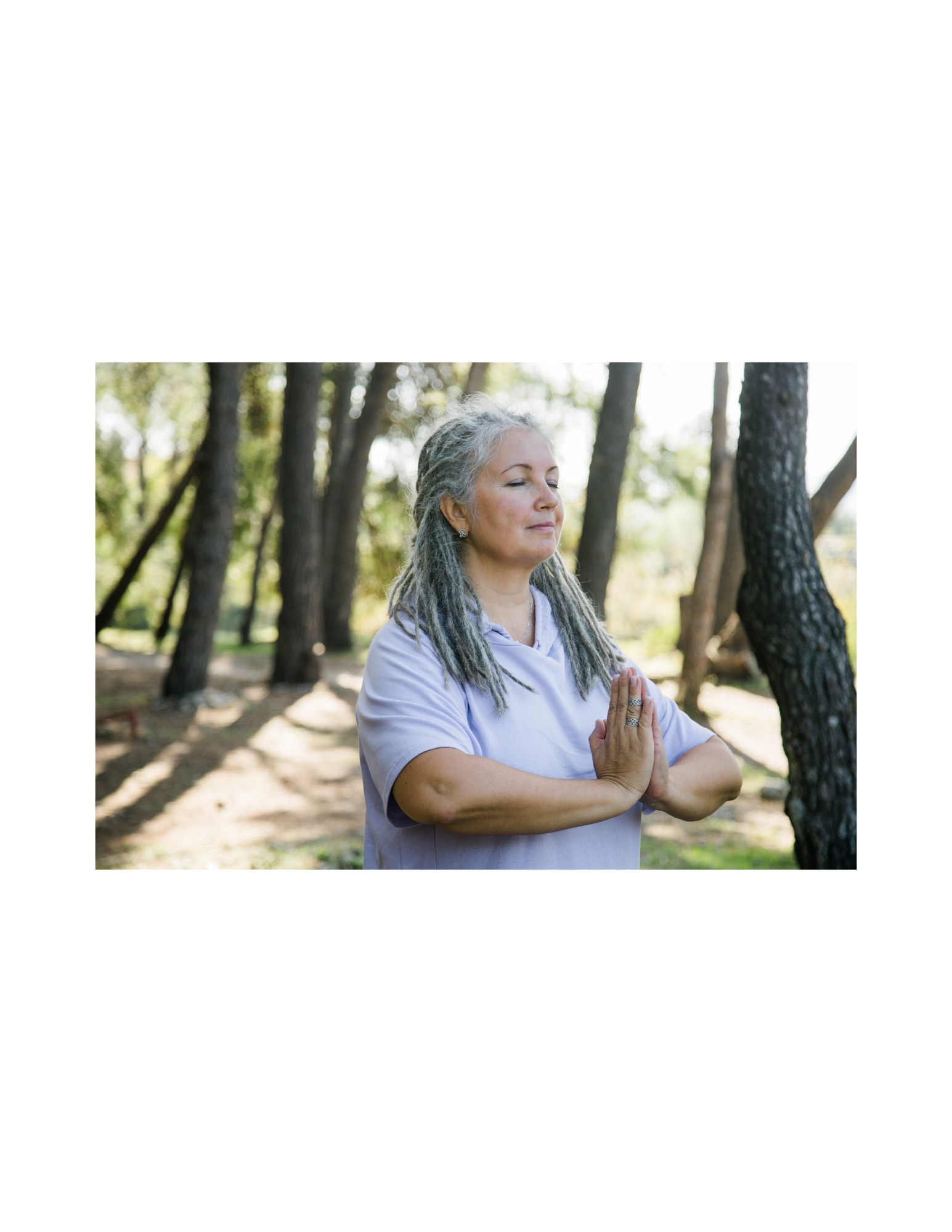
Yoga Nidra — often called yogic sleep — is a guided meditation practice that brings the body and mind to the threshold between waking and sleep, inducing a state of profound rest that is physiologically more restorative than ordinary sleep. Practiced lying down, it requires no movement, no flexibility, and no prior experience.
For a nervous system that has been running on high alert, Yoga Nidra for stress recovery and trauma healing offers something increasingly rare — complete permission to rest. Research suggests that a single session of Yoga Nidra can produce significant reductions in anxiety, tension, and cortisol. Over time, regular practice helps to integrate traumatic memories, restore healthy sleep patterns, and cultivate a stable, spacious inner witness — a quality of awareness that is deeply supportive of ongoing healing work.
The Power of Fusion — Why Combining These Traditions Works
While each of these yoga branches is powerful on its own, the real magic happens when they are woven together intuitively in response to your nervous system's needs in each session. No two sessions look exactly alike — and that is entirely intentional.
A session might begin with grounding Yin holds to settle an activated nervous system, move into a gentle Vinyasa flow to build energy and presence, incorporate Kundalini breathwork to process and release, and close with a Yoga Nidra rest to integrate everything the body has experienced. This responsive, fluid approach means your practice is always meeting you where you are — not asking you to meet it somewhere you're not.
This is trauma-informed yoga fusion for nervous system healing — an approach rooted in the understanding that healing is not linear, bodies are not machines, and no single tradition holds all the answers.
A Note from Dawn
I came to yoga not as an athlete or a fitness enthusiast, but as someone searching for a way back into my own body after years of living from the neck up. What I found in these four traditions — and in the way they speak to each other when woven together — was something I had not expected: a felt sense of safety in my own skin.
Every class I teach carries that intention. Not performance. Not achievement. Just a gentle, consistent invitation to come home to yourself — one breath, one movement, one moment of stillness at a time.
Who These Classes Are For
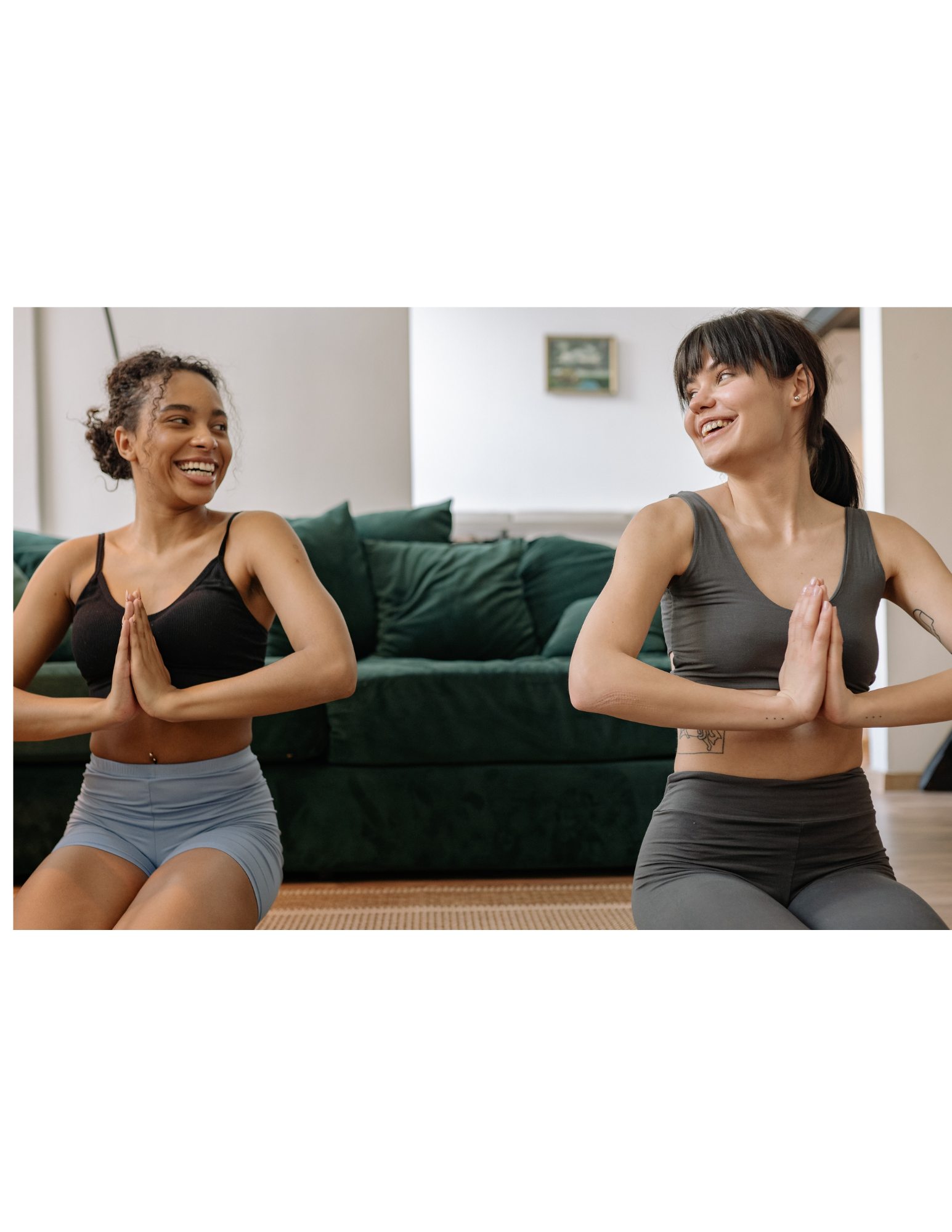
These classes are designed to be genuinely accessible — open to all levels, including complete beginners. You do not need any prior yoga experience, any particular level of fitness, or any special equipment. All you need is a comfortable space where you can move and lie down.
Classes are offered entirely remotely, which means you can practice from the safety and familiarity of your own home — an environment where your nervous system already has some existing sense of comfort and ease.
This practice may be particularly supportive for those navigating:
Trauma and post-traumatic stress — including complex or developmental trauma
Chronic anxiety, stress, and emotional overwhelm
Depression and nervous system shutdown
Difficulty sleeping or chronic fatigue
Disconnection from the body or difficulty feeling present
Burnout and depletion
Anyone seeking a gentler, more body-centered approach to yoga
Modifications and alternatives are always available for every pose and practice. You are always encouraged to honor your own limits, rest when needed, and move at whatever pace feels right for your body on any given day.
Important Notice
The practices offered in Nervous System Yoga & Movement are intended for general wellness and nervous system support and are not a substitute for medical advice, diagnosis, or treatment. Please consult your physician or qualified healthcare provider before beginning any new movement or breathwork practice, particularly if you have any existing medical conditions, injuries, cardiovascular concerns, or are pregnant.
By participating in these classes you acknowledge that you are doing so voluntarily and at your own discretion. Dawn Christine Pathways and its instructor assume no liability for any injury or adverse effects that may arise from participation. It is your responsibility to work within your own limits and to discontinue any practice that causes discomfort or pain.