

Rest and Restore Protocol™ (RRP): A Gentle Pathway to Nervous System Regulation
What Is the Rest and Restore Protocol™?
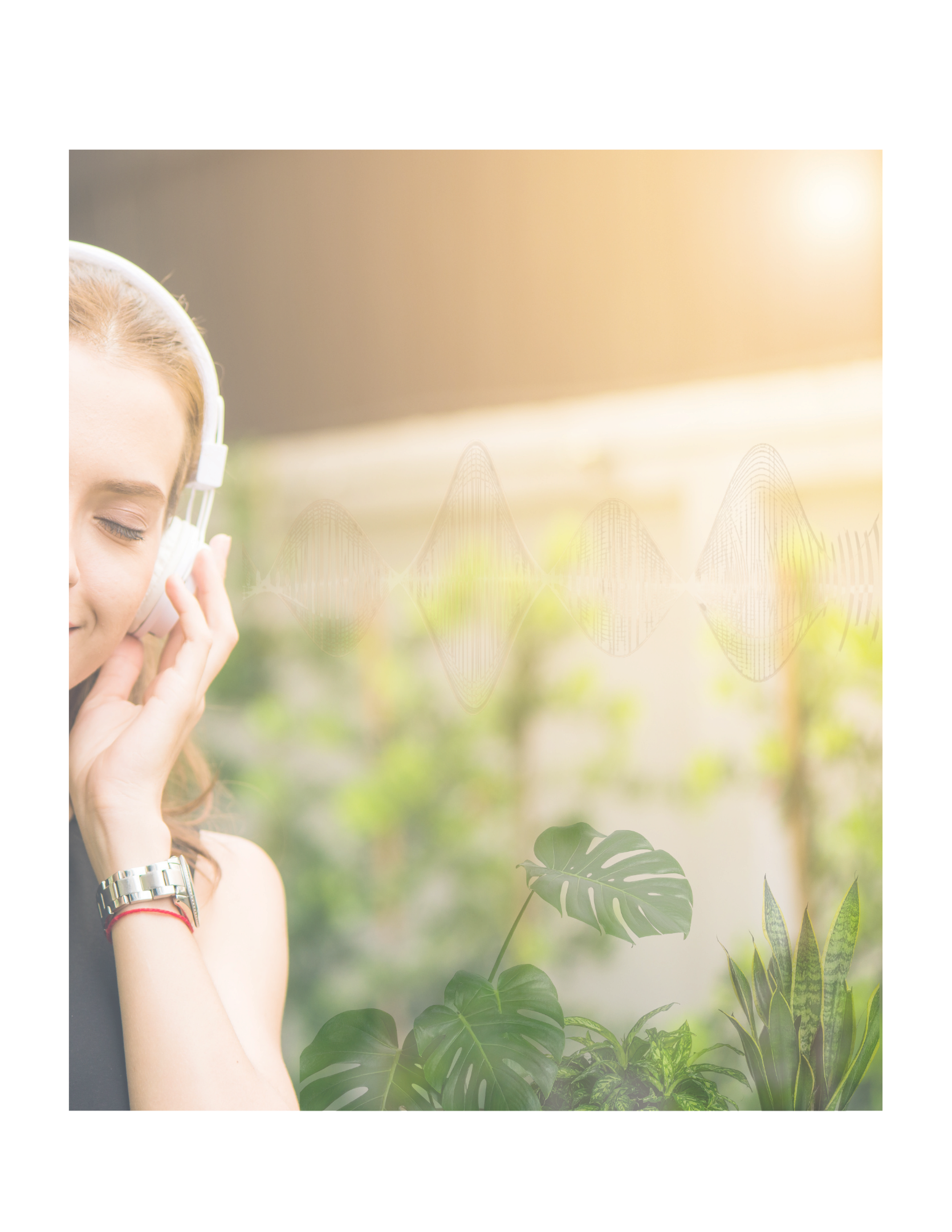
RRP is a listening-based nervous system support protocol informed by polyvagal theory and behavioral neuroscience. It uses specially engineered music and sound patterns to gently encourage the autonomic nervous system toward restoration, balance, and regulation.
Rather than asking the nervous system to “push through” or actively engage, RRP is designed to support down-shifting—helping the body move out of chronic activation or collapse and toward a more settled internal state. Many people experience it as deeply calming, grounding, and supportive of rest and recovery.
Importantly, RRP is not talk therapy, and it does not require cognitive effort, emotional processing, or storytelling. The work happens primarily at the level of physiological state, which can be especially helpful for individuals who feel overwhelmed by traditional approaches or who struggle to access calm through willpower alone.
How RRP Supports Nervous System Regulation
From a trauma-informed perspective, regulation often begins below the level of conscious thought. RRP is designed with this understanding in mind.
People may experience RRP as supportive for:
Settling chronic nervous system activation
Encouraging deeper states of rest and recovery
Supporting sleep and overall nervous system tone
Increasing access to internal safety and calm
Creating a more regulated baseline from which other work becomes possible
RRP does not “fix” or “resolve” trauma on its own. Instead, it can help create the conditions that make healing, integration, and daily functioning feel more accessible.
How RRP Is Different from the Safe and Sound Protocol (SSP)
Although RRP and SSP are both listening-based protocols and both informed by polyvagal theory, they serve different purposes and support the nervous system in distinct ways.
Here’s a clear, non-technical way to understand the difference:
SSP: Supporting Social Engagement and Auditory Processing
The Safe and Sound Protocol is designed to support:
The social engagement system
Auditory processing and sound tolerance
Access to feelings of safety in connection and communication
SSP uses filtered music to specifically stimulate neural pathways involved in listening, voice, and social engagement. For some people, this can feel activating or emotionally evocative, especially early in the process. SSP is often used when challenges involve connection, communication, sound sensitivity, or relational safety.
RRP: Supporting Rest, Recovery, and Physiological Calm
RRP, by contrast, is oriented toward:
Rest and restoration
Autonomic balance
Down-regulation of chronic stress patterns
Rather than targeting social engagement pathways, RRP focuses on supporting the nervous system’s capacity to settle, recover, and restore internal rhythms. Many people experience RRP as less activating and more soothing than SSP, making it particularly supportive during periods of exhaustion, burnout, or heightened nervous system vulnerability.
Choosing Between RRP and SSP
Neither protocol is “better” than the other—they simply meet different nervous system needs.
Some people begin with RRP to establish a sense of safety and baseline regulation before engaging in more activating work.
Others may benefit from SSP first, depending on their goals, history, and nervous system capacity.
In some cases, the protocols are used at different times in a person’s healing journey, rather than simultaneously.
A trauma-informed approach always prioritizes timing, pacing, and individual nervous system capacity.
How RRP Fits into Trauma-Informed Aftercare
In trauma aftercare, regulation is not about forcing calm or overriding protective responses. It’s about helping the nervous system feel safe enough to soften on its own.
RRP can be a supportive option for people who:
Feel chronically “wired but tired”
Struggle with rest or sleep
Feel overwhelmed by emotionally focused approaches
Need support calming the body before engaging in deeper work
Want a non-invasive, body-based form of nervous system support
As with all nervous system-oriented practices, RRP works best when offered with attunement, choice, and respect for individual boundaries.
A Closing Reflection
Nervous system regulation is not a single technique—it’s a relationship with the body that unfolds over time. Tools like the Rest and Restore Protocol remind us that sometimes the most meaningful support doesn’t ask us to do more, but instead helps the body remember how to rest.
When the nervous system feels supported at a foundational level, everything else—clarity, connection, resilience—has more room to emerge.
